
Why Do I Feel Worse When I Slow Down?

You finally get a break… Your schedule opens up, pressure eases, and you have time to rest.
And instead of feeling better, you feel worse.
Your mind starts racing. You feel restless or even anxious. Thoughts you’ve been pushing aside start getting louder. You might find yourself reaching for your phone, opening your laptop, or looking for something to do just to escape the feeling.
If you’ve ever thought, “Why do I feel more anxious when I slow down?”, you’re not alone.
This is something I hear often from high-achieving women here in Virginia. On the outside, you’re capable, productive, and successful. But when things get quiet, your nervous system doesn’t always follow.
And there’s a reason for that.
Slowing Down Isn’t Always What It Feels Like
We tend to think of rest as something that should feel calming and restorative.
But for many women, especially those who have spent years operating at a high level, slowing down can feel unfamiliar. And unfamiliar doesn’t always feel safe.
When your life has been built around staying busy, achieving, or managing stress, your body gets used to a certain rhythm. Constant movement. Constant thinking. Constant doing.
So when that suddenly stops, your nervous system doesn’t automatically shift into relaxation. It often does the opposite.
It becomes more alert.
That restlessness you feel when you slow down isn’t a failure to relax. It’s your nervous system trying to make sense of a different pace.
Your Nervous System Learned to Stay in “Go Mode”
If you’ve spent a long time in high-pressure environments, your system adapts.
This might be from work, school, or family dynamics. From relationships where you had to stay emotionally aware or on edge. From periods of burnout that never fully resolved.
Over time, your body learns that staying in motion equals staying in control.
This is what we often refer to as a kind of baseline activation. You might not feel obviously anxious all the time, but there’s a steady undercurrent of tension or urgency running in the background.
For many high achieving women in Virginia Beach and surrounding areas, this shows up as high-functioning anxiety. You’re managing everything. You’re showing up. But your system rarely fully powers down.
So when you try to rest, your body doesn’t recognize it as safe. It recognizes it as different.
And different can feel threatening.
Why Anxiety Shows Up When You Slow Down
When the external distractions drop away, internal experiences come forward.
Thoughts you’ve been avoiding. Emotions you haven’t had time to process. Physical sensations that were muted by constant activity.
This is often when people notice:
A spike in anxiety
More overthinking
Difficulty relaxing
A strong urge to stay busy
A feeling of discomfort with stillness
It can feel like something is wrong, like slowing down is making you worse.
But what’s actually happening is that your system is no longer being overridden by activity.
You’re noticing what’s already there.
The Role of Perfectionism and Self-Worth
For many women, especially those who are driven and high-achieving, productivity becomes tied to identity.
You may not consciously think, “My worth depends on how much I do,” but it shows up in subtle ways.
Feeling guilty when you rest
Struggling to enjoy downtime
Constantly thinking about what’s next
Measuring your day by what you accomplished
When productivity becomes linked to self-worth, slowing down doesn’t just feel uncomfortable. It can feel like you’re doing something wrong.
That internal pressure doesn’t disappear just because your schedule does.
Rest Can Feel Unsafe, Not Just Unfamiliar
This is the part that often surprises people.
For some women, especially those with a history of chronic stress or emotional unpredictability, stillness can feel unsafe.
If you grew up in an environment where things felt unpredictable, or where you had to stay alert to manage emotions or expectations, your system may have learned that being “on” was protective.
Being aware, prepared, and constantly thinking ahead. When you slow down, that protective layer drops. And your nervous system may respond by increasing alertness to compensate.
This doesn’t mean you’re doing anything wrong. It means your system is doing exactly what it learned to do.
How to Start Feeling Better When You Slow Down
The goal isn’t to force yourself into stillness or to suddenly become someone who loves rest.
It’s to gradually help your nervous system feel safer with it.
This is a process, not a switch.
One of the most helpful shifts is to stop expecting rest to feel instantly good.
Instead, think of it as something your body is learning.
You can start small.
Instead of trying to take a full day off and feeling overwhelmed by it, try brief moments of intentional pause. A short walk without distraction. Sitting with your coffee for a few minutes before starting your day. Closing your laptop at a consistent time in the evening.
These moments help your system build tolerance.
It’s also helpful to notice what comes up without immediately reacting to it. If your mind starts racing, you don’t have to fix it. You can simply observe it.
Over time, this builds capacity.
How Therapy Can Help
If slowing down consistently brings anxiety, restlessness, or discomfort, therapy can help you understand why. Therapy can help you understand the deeper patterns your nervous system has learned and what your body needs to change them.
In therapy we look at:
How your system learned to stay activated
What rest represents for you emotionally
How perfectionism and self-worth are connected
Ways to build nervous system regulation gradually
For many women in Virginia, therapy becomes the first place where slowing down feels supported instead of forced.
It’s not about removing ambition or drive. It’s about creating a pace that doesn’t come at the cost of your wellbeing.
Explore Therapy Support
If rest consistently feels uncomfortable, or anxiety increases when things slow down, it may be worth exploring support.
Therapy can help you understand your nervous system, reduce anxiety, and build a more sustainable relationship with rest.
If you’re located in Virginia and looking for therapy for anxiety, burnout, or perfectionism, reach out to us today to get started.
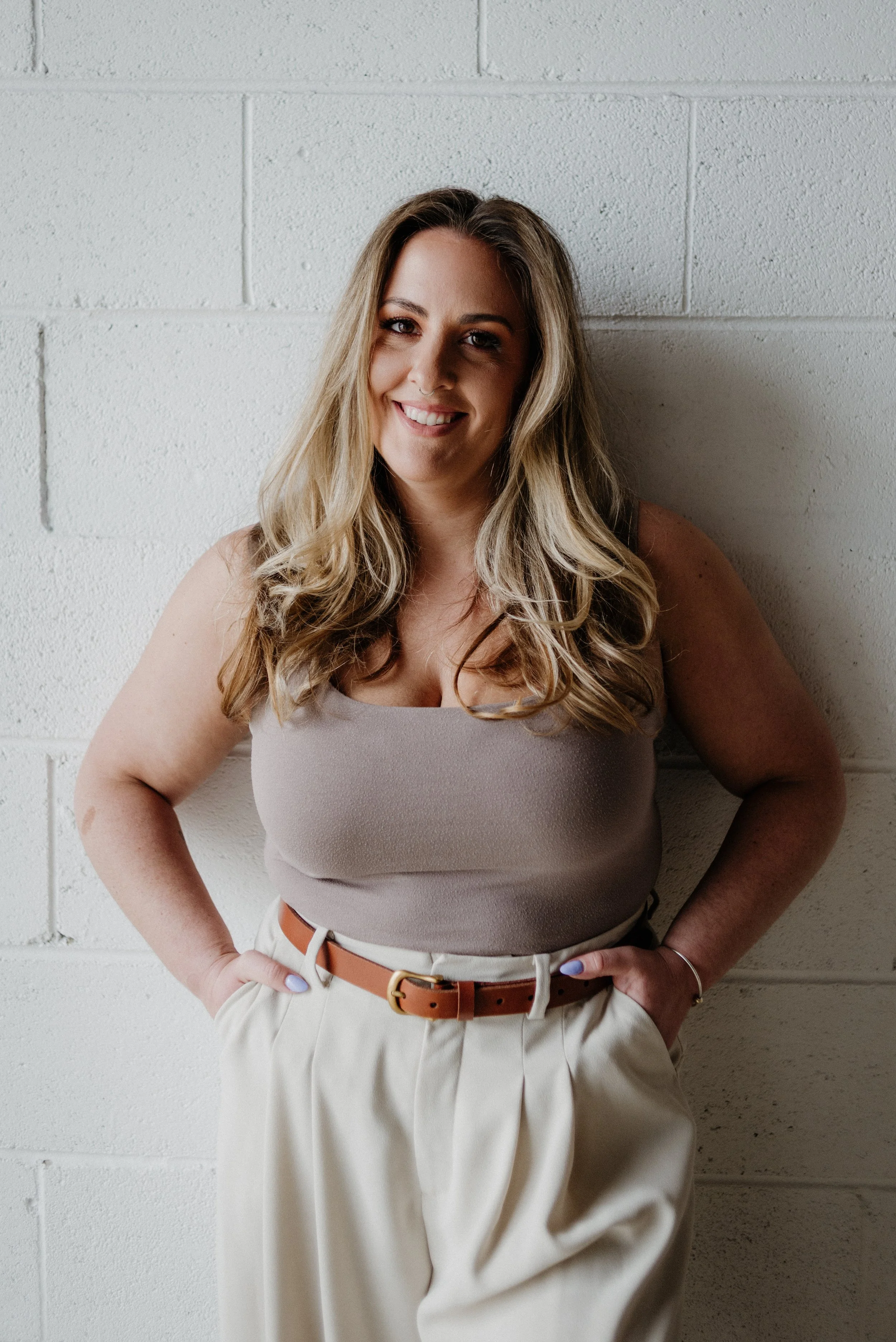
Margaux Flood, LCSW, is a licensed therapist with over a decade of experience supporting clients in Virginia, Florida and South Carolina. She specializes in couples therapy, women’s mental health, anxiety, and self-esteem, using evidence-based approaches like Trauma-Focused Cognitive Behavioral Therapy (TF-CBT), mindfulness-based techniques, and attachment-focused interventions to help clients strengthen connection, build confidence, and feel more grounded in themselves and their relationships. Margaux Flood, LCSW is committed to providing compassionate, expert virtual care for clients across Virginia, Florida and South Carolina. Her team also provides individual psychotherapy services across the states of Mississippi and Missouri.