
Why Spring Can Increase Anxiety Instead of Relieve It

Spring is supposed to feel like a reset for many. Longer days, warmer weather, more energy, and an overall sense of renewal.
But for many high-achieving women, spring doesn’t feel calming… it feels activating.
Instead of relief, you might notice restlessness, anxiety, or a sense that you suddenly “should” be doing more. If you’ve found yourself wondering why you feel more unsettled instead of better, you’re not alone.
A spike in anxiety around spring is real, and it often has more to do with your nervous system than your mindset.
What Spring Anxiety Can Look Like
Seasonal anxiety doesn’t always look obvious. In fact, it often shows up subtly.
You might notice:
Feeling more restless or on edge than usual
Trouble focusing, even when your schedule hasn’t changed much
Increased pressure to be productive or “get your life together”
Difficulty relaxing, even when you have time to rest
More social fatigue or overwhelm
A sense of urgency without a clear reason
For high-achieving women, this can feel confusing. You expect to feel energized, but instead your system feels overstimulated. This is often a sign of nervous system activation, not a personal failure.
Why This Happens
Seasonal transitions (especially spring) can shift your nervous system in ways that aren’t always obvious.
Longer Daylight Hours
More light can increase alertness and energy, but for an already activated system, it can tip into anxiety instead of calm.
Schedule and Routine Changes
Warmer weather often brings more activity—travel, social plans, events, and shifting work demands. Even positive changes can feel destabilizing if your system doesn’t have time to adjust.
Increased Social Expectations
Spring tends to come with more invitations, gatherings, and pressure to be out and engaged. For someone already managing anxiety or perfectionism, this can feel overwhelming rather than enjoyable.
Cultural Pressure Around “Starting Fresh”
There’s an unspoken message in spring that you should be improving something… your routine, your goals, your habits, your life.
For high-achieving women in Virginia, this can amplify perfectionism and self-pressure, leading to more stress instead of relief.
Environmental and Lifestyle Shifts
In places with noticeable seasonal changes… like coastal and urban areas throughout Virginia… these shifts can be felt more strongly. Changes in light, temperature, and daily rhythm can subtly impact mood, energy, and nervous system regulation.
How Therapy Helps with Seasonal Anxiety
If spring anxiety feels familiar, therapy can help you understand and regulate what’s happening beneath the surface.
In therapy for anxiety, the focus isn’t just on managing symptoms. It’s on understanding your nervous system and building a more sustainable relationship with stress.
Therapy can help you:
Recognize how seasonal changes affect your body and mood
Build tools for nervous system regulation
Reduce perfectionism-driven pressure
Increase emotional awareness
Create boundaries around time, energy, and social demands
Develop a pace that actually supports you
For many women balancing demanding careers and full schedules, therapy becomes a space to slow down, something that’s often missing in everyday life.
You’re Not Doing Spring “Wrong”
Instead of trying to force yourself to feel better, it can be more helpful to ask:
What does my body need right now?
Where am I adding unnecessary pressure?
What would a slower, more supportive pace look like?
You don’t need to match the season’s energy. You can create your own.
Therapy for Women in Virginia
If seasonal anxiety, stress, or restlessness feels persistent, support can make a real difference.
Therapy can help you better understand your nervous system, reduce overwhelm, and move through seasonal transitions with more steadiness.
If you’re located in Virginia, Mississippi, Missouri, South Carolina or Florida, and looking for therapy for anxiety or stress support, consider exploring what working together could look like. Reach out to us today to get started.
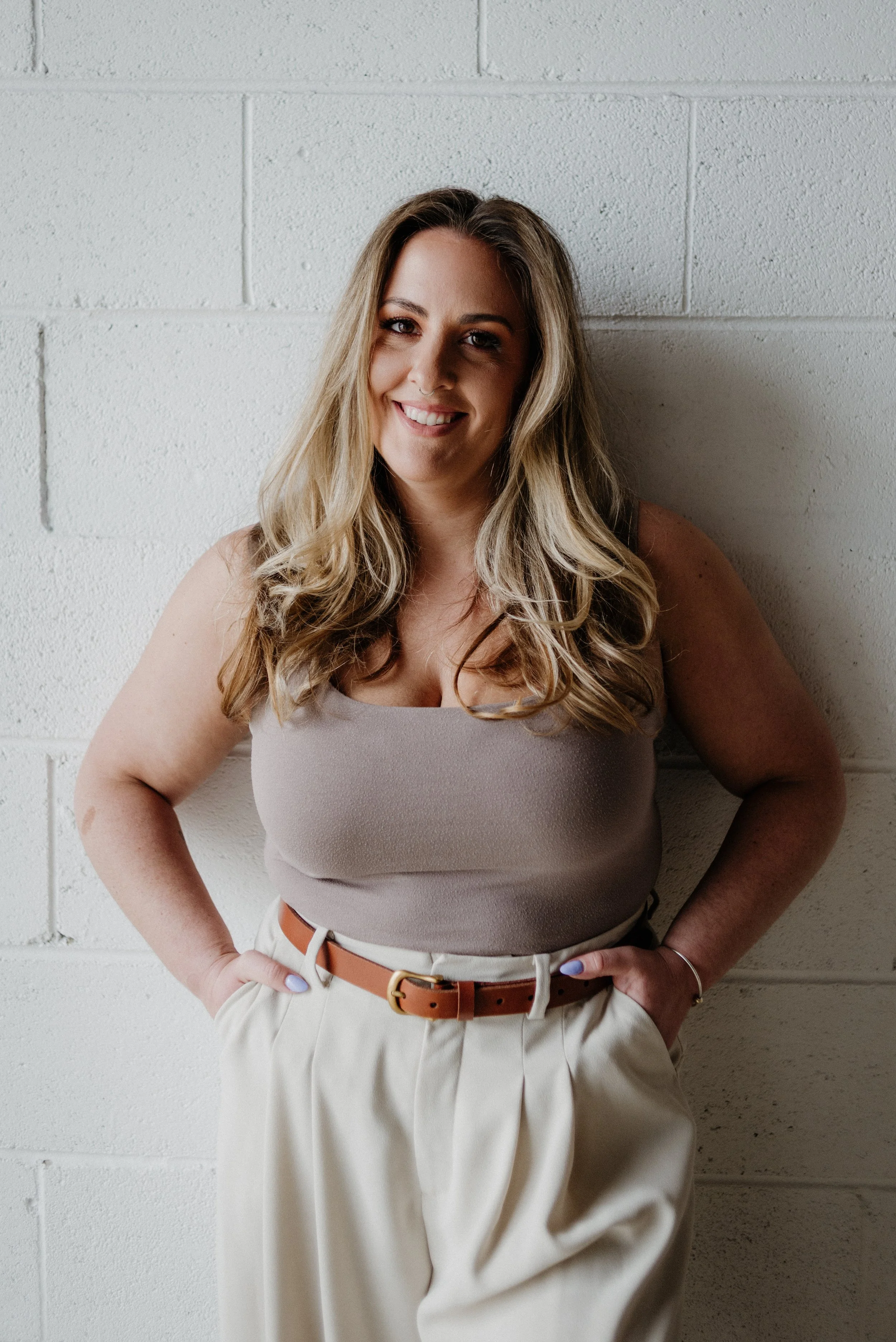
Margaux Flood, LCSW, is a licensed therapist with over a decade of experience supporting clients in Virginia, Florida and South Carolina. She specializes in couples therapy, women’s mental health, anxiety, and self-esteem, using evidence-based approaches like Trauma-Focused Cognitive Behavioral Therapy (TF-CBT), mindfulness-based techniques, and attachment-focused interventions to help clients strengthen connection, build confidence, and feel more grounded in themselves and their relationships. Margaux Flood, LCSW is committed to providing compassionate, expert virtual care for clients across Virginia, Florida and South Carolina. Her team also provides individual psychotherapy services across the states of Mississippi and Missouri.