
Feeling Disconnected During Intimacy? Here’s How Couples Therapy Can Help

Few experiences in a relationship feel as quietly isolating as feeling distant while lying right next to the person you love. You might notice your mind wandering to a mental checklist during physical touch, feeling a sudden urge to pull away, or sensing a numb barrier between you and your partner.
In my clinical work with couples throughout Virginia Beach and the wider Hampton Roads area, I often hear partners voice this exact struggle: "We love each other deeply, but when it comes to intimacy, it feels like there’s this barrier between us. Intimacy used to be so easy, now we feel like roommates”.
If you are experiencing disconnection during intimacy, the first thing I want you to know is that your relationship is not failing, and what you’re experiencing is actually pretty common.
Physical and emotional intimacy are inextricably linked. When emotional safety clear communication break down within a relationship, our bodies are often the first to register the strain. Working with an experienced relationship therapist can help you understand what this disconnection is signaling and guide you back toward genuine, grounded connection.
Why Disconnection Happens During Intimacy
In my practice, I approach relationship dynamics through a trauma-informed, shame-free lens: disconnection is rarely about a lack of love or physical attraction. Instead, it is usually an adaptive protection response. When an underlying relational dynamic registers as unsafe, overwhelming, or emotionally exhausting, our bodies shift out of connection mode and into self-protection. Here are the root patterns I frequently see in session:
Chronic Stress and the "Mental Load"
Between demanding professional schedules near Town Center, navigating unpredictable military deployments out of Norfolk, and managing everyday household responsibilities, chronic stress can keep your nervous system in a low-grade state of fight-or-flight at all times. When your body is focused on just getting through the week being open, soft, and vulnerable during intimacy feels biologically inaccessible.
Unspoken Resentment and Emotional Distance
Physical intimacy requires emotional vulnerability. If there are unresolved conflicts, unequal domestic divisions of labor, or subtle relational hurts that have gone unaddressed, stepping into physical closeness can feel uncomfortable. Your body creates distance to protect you from being vulnerable with someone with whom you currently feel emotionally misaligned.
Past Attachment Wounds or Trauma
Our relational history shapes how we experience touch, vulnerability, and closeness. If either partner has experienced past betrayal, medical issues, sexual trauma, or inconsistent emotional caregiving in childhood, intimacy can unconsciously trigger self-protective shutdown or anxiety.
How Couples Therapy Can Help Rebuild Intimate Connection
Couples counseling is not about forcing awkward interactions or jumping straight into physical closeness. Instead, we slow down the interaction, identify where the emotional disconnection begins, and build a secure foundation first.
When you work with a provider for couples therapy, our clinical work focuses on evidence-based frameworks to help you reconnect. This can look like:
Mapping the "Disconnection Cycle" with Emotionally Focused Therapy (EFT)
Integrating principles from Emotionally Focused Therapy (EFT), we look beneath surface-level arguments to uncover your relational “dance”. Frequently, one partner pursues reassurance while the other withdraws to protect against conflict. By mapping this cycle together, you stop viewing each other as the adversary and start teaming up against the pattern pulling you apart.
Strengthening the "Sound Relationship House"
Drawing from Gottman Method-informed interventions, we examine the foundational layers of your relationship: nurturing fondness and admiration, and turning toward each other's bids for connection. Physical intimacy naturally becomes safer and more accessible when everyday emotional connection is actively tended to.
Cultivating Nervous System Safety & Direct Communication
We create a structured, confidential space to practice expressing boundaries, fears, and intimate desires. You will learn how to identify when your nervous system feels overwhelmed and communicate what you need emotionally before, during, and after intimacy without fear of judgment, guilt, or conflict.
Finding the Right Format: Ongoing Therapy vs. Couples Intensives
Every relationship has distinct needs, timelines, and logistical demands. In my Virginia Beach practice, I offer two pathways for couples seeking support:
Ongoing Couples Psychotherapy: Weekly or bi-weekly 55-minute sessions designed to steadily unpack longstanding relational cycles, practice communication tools in real time, and build sustainable intimacy week over week. Learn more here.
Couples Therapy Intensives: A focused, deep-dive session dedicated to couples who want to break through a specific gridlock, heal after a breach of trust, or accelerate their progress without waiting months between weekly sessions. This format is especially supportive for busy professionals, parents, and military couples with limited scheduling flexibility. Learn more here.
What to Expect in Our Sessions
Relational healing is collaborative and paced according to your comfort level. In our virtual therapy sessions available across Virginia, Florida, and South Carolina, we cultivate an open, affirming environment where both partners feel heard, respected, and supported.
You do not have to settle for feeling like distant roommates. By addressing the root emotional patterns beneath physical disconnection, you can rediscover an intimate life that feels grounded, fulfilling, and connected. Contact me today to book your first session.
Not ready to jump into therapy quite yet? Check out these free intimacy exercises to try out with your partner.
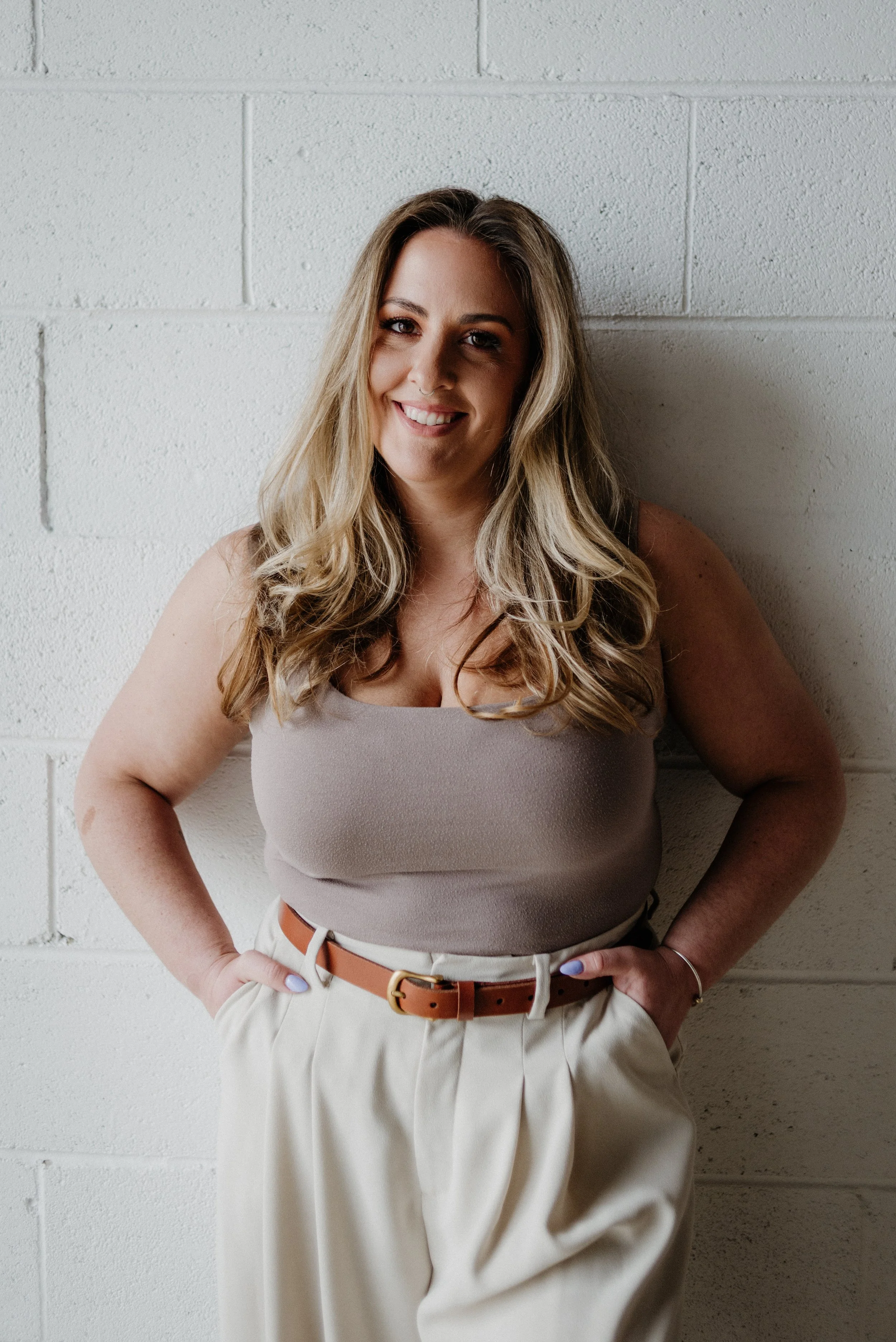
Margaux Flood, LCSW, (VA License #0904016451) is a Licensed Clinical Social Worker and psychotherapist with over a decade of experience supporting clients . With a virtual practice based in Virginia Beach, VA, Margaux provides psychotherapy for clients located throughout Virginia, Florida and South Carolina. She specializes in couples therapy, women’s mental health, anxiety, and self-esteem, using evidence-based approaches like Trauma-Focused Cognitive Behavioral Therapy (TF-CBT), Acceptance and Commitment Therapy (ACT), and mindfulness-based interventions to help clients strengthen connection, build confidence, and feel more grounded in themselves and their relationships. Margaux Flood, LCSW is committed to providing compassionate, expert virtual psychotherapy for clients across Virginia, Florida and South Carolina. Her team also provides services across the states of Mississippi and Missouri.
Disclaimer: The information in this article is for educational purposes only and does not substitute for professional therapy or medical advice.