
How to Navigate a Relationship When You and Your Partner Have Different Attachment Styles

One of the most confusing things couples experience is realizing they can deeply love each other and still constantly misunderstand one another.
You may feel like you’re asking for reassurance while your partner feels criticized. Or maybe one of you wants to talk through conflict immediately while the other shuts down and needs space. One partner may crave closeness during stress while the other instinctively pulls away.
A lot of couples start interpreting these differences personally.
“You don’t care about me.”
“You’re too needy.”
“You never let things go.”
“You always shut down.”
But often, what’s happening underneath these patterns has less to do with love and more to do with attachment.
I work with many couples throughout Virginia who feel stuck in these exact cycles. Usually by the time they come into therapy, both people are exhausted. They’re having the same arguments over and over, and both partners feel misunderstood in completely different ways.
The important thing to know is that having different attachment styles does not automatically mean your relationship is unhealthy or doomed.
It means your nervous systems may respond to connection, stress, conflict, and emotional vulnerability differently.
And once couples begin understanding those differences, things often start making a lot more sense.
What Attachment Styles Actually Are
Attachment styles are essentially patterns we develop around emotional connection, safety, and relationships.
They’re shaped by early experiences, relational environments, past relationships, and the ways we learned to respond to emotional needs growing up.
Most people have heard terms like anxious attachment or avoidant attachment online, but attachment work is much more nuanced than social media often makes it sound.
These patterns are not personality flaws. They are adaptive responses crafted over time.
For example, someone with anxious attachment may become highly attuned to signs of distance or disconnection in relationships. They may seek reassurance quickly because emotional inconsistency has historically felt unsafe to their nervous system.
Someone with avoidant attachment may deeply value connection too, but instinctively pull inward during stress because vulnerability or emotional dependence once felt overwhelming, unsafe, or emotionally risky.
And then couples end up stuck in painful cycles where both people are trying to feel safe in opposite ways.
One partner moves closer while the other pulls back.
Then the first partner pursues harder.
The second partner withdraws even more.
Eventually both people end up feeling confused and rejected.
Why Different Attachment Styles Create So Much Conflict
One of the hardest parts about attachment differences is that couples often misinterpret each other’s protective behaviors.
The anxious partner may interpret withdrawal as abandonment or lack of care.
The avoidant partner may experience emotional pursuit as pressure, criticism, or loss of autonomy.
Neither person is necessarily trying to hurt the other.
Usually both people are reacting from nervous system patterns that developed long before this relationship even existed.
That’s why attachment-based conflict often feels emotionally intense very quickly. The arguments are rarely just about the dishes, communication timing, or text messages themselves. Those situations simply activate deeper fears underneath the surface, like fear of rejection and not being enough.
And when those fears get activated repeatedly, couples can start feeling emotionally unsafe with each other even when they genuinely want closeness.
What This Can Look Like in Real Life
A lot of couples recognize themselves immediately once attachment dynamics are explained.
Maybe one partner wants to process conflict immediately because unresolved tension feels unbearable. Meanwhile the other partner needs time to regulate before talking and shuts down when conversations become emotionally intense.
Or maybe one partner frequently asks questions like:
“Are we okay?”
“Why do you seem distant?”
“Can we talk?”
While the other partner feels flooded by those conversations and responds by becoming quieter, emotionally unavailable, or avoidant.
Over time, both people usually develop stories about each other.
One feels abandoned.
The other feels constantly criticized.
And eventually, it’s not uncommon for intimacy to start suffering too.
Because emotional safety and intimacy are deeply connected.
When couples stay stuck in attachment-triggered cycles long enough, communication becomes reactive instead of vulnerable. Partners stop expressing softer emotions underneath the conflict because they expect misunderstanding or defensiveness instead.
Different Attachment Styles Do Not Mean Incompatibility
This is something I tell couples all the time.
Having different attachment styles does not automatically mean you’re incompatible. What matters more is whether both people are willing to understand the cycle they’re caught in and begin responding differently to it.
A relationship becomes healthier when couples stop seeing each other as the enemy and start recognizing the pattern itself as the problem.
That shift changes everything.
Instead of:
“You’re too needy.”
It becomes:
“I think reassurance feels really important when you’re feeling disconnected.”
Instead of:
“You never communicate.”
It becomes:
“I think conflict feels overwhelming for you and your nervous system shuts down.”
That doesn’t mean unhealthy behaviors get excused. It simply creates more understanding around what is actually happening emotionally beneath the surface.
And honestly, understanding creates space for compassion.
How Couples Can Start Navigating Attachment Differences More Effectively
One of the biggest changes couples can make is learning how to slow conflict down before it escalates.
Attachment-triggered arguments tend to become reactive quickly because both nervous systems are responding from protection rather than connection.
That’s why timing, pacing, and emotional regulation matter so much.
For example, if one partner needs space during conflict, it helps to communicate that clearly without emotionally disappearing.
There’s a huge difference between:
“I need 30 minutes to calm down and then I want to come back to this.”
Versus simply shutting down completely.
Likewise, partners with more anxious attachment patterns often benefit from learning how to express vulnerability directly instead of communicating primarily through protest, criticism, or escalation.
Underneath many attachment-driven arguments is usually a desire for reassurance, closeness, emotional safety, or connection.
The challenge is that fear often changes how those needs get expressed.
Why Therapy Can Be So Helpful for Attachment Work
Attachment dynamics are difficult to shift when couples are trying to navigate them alone in the middle of emotionally charged conflict.
That’s one reason couples therapy can be incredibly helpful.
In therapy, couples begin identifying the actual cycle happening underneath the arguments instead of staying stuck only in the surface-level content of the conflict.
This helps both partners feel more understood while also creating accountability for healthier communication patterns.
As a therapist working with couples throughout Virginia, I often help couples:
understand their attachment patterns
improve emotional communication
rebuild emotional safety
navigate conflict without escalation
strengthen intimacy and connection
recognize nervous system responses during conflict
And importantly, therapy helps couples stop personalizing every protective reaction as proof the relationship is failing.
Many couples experience enormous relief once they realize:
“We’re not crazy. We’re stuck in a cycle.”
That understanding creates room for change.
When Weekly Therapy Isn’t Enough
Some couples have been stuck in attachment-based conflict cycles for years.
By that point, resentment, emotional exhaustion, and communication breakdowns can feel deeply ingrained.
For couples wanting deeper focused work, couples therapy intensives can provide space to move through these patterns more effectively than weekly therapy sometimes allows.
Intensives create extended time to slow conversations down, process emotional triggers in real time, improve communication, and rebuild connection with more support and structure.
For many couples in Virginia Beach, Norfolk, and Chesapeake balancing demanding schedules, intensives also allow for deeper progress without stretching the work across many months.
Healing Attachment Wounds Takes Time
One of the most important things couples can remember is this:
Attachment patterns were not created overnight.
Which means healing them also takes time, consistency, and emotional safety.
Most couples are not struggling because they don’t love each other enough. They’re struggling because both nervous systems are trying to protect against pain in different ways.
And when couples begin understanding that, they often stop fighting each other quite so hard.
More empathy enters the relationship.
More curiosity.
More softness.
And over time, that’s what helps intimacy and connection begin rebuilding again.
Looking for Couples Therapy in Virginia?
If you and your partner feel stuck in recurring conflict, emotional disconnection, or attachment-related communication struggles, therapy can help you better understand the cycle you’re trapped in and create healthier ways of relating to each other.
I work with couples throughout Virginia, Florida and South Carolina through both weekly couples therapy and couples therapy intensives focused on communication, attachment wounds, and rebuilding emotional intimacy.
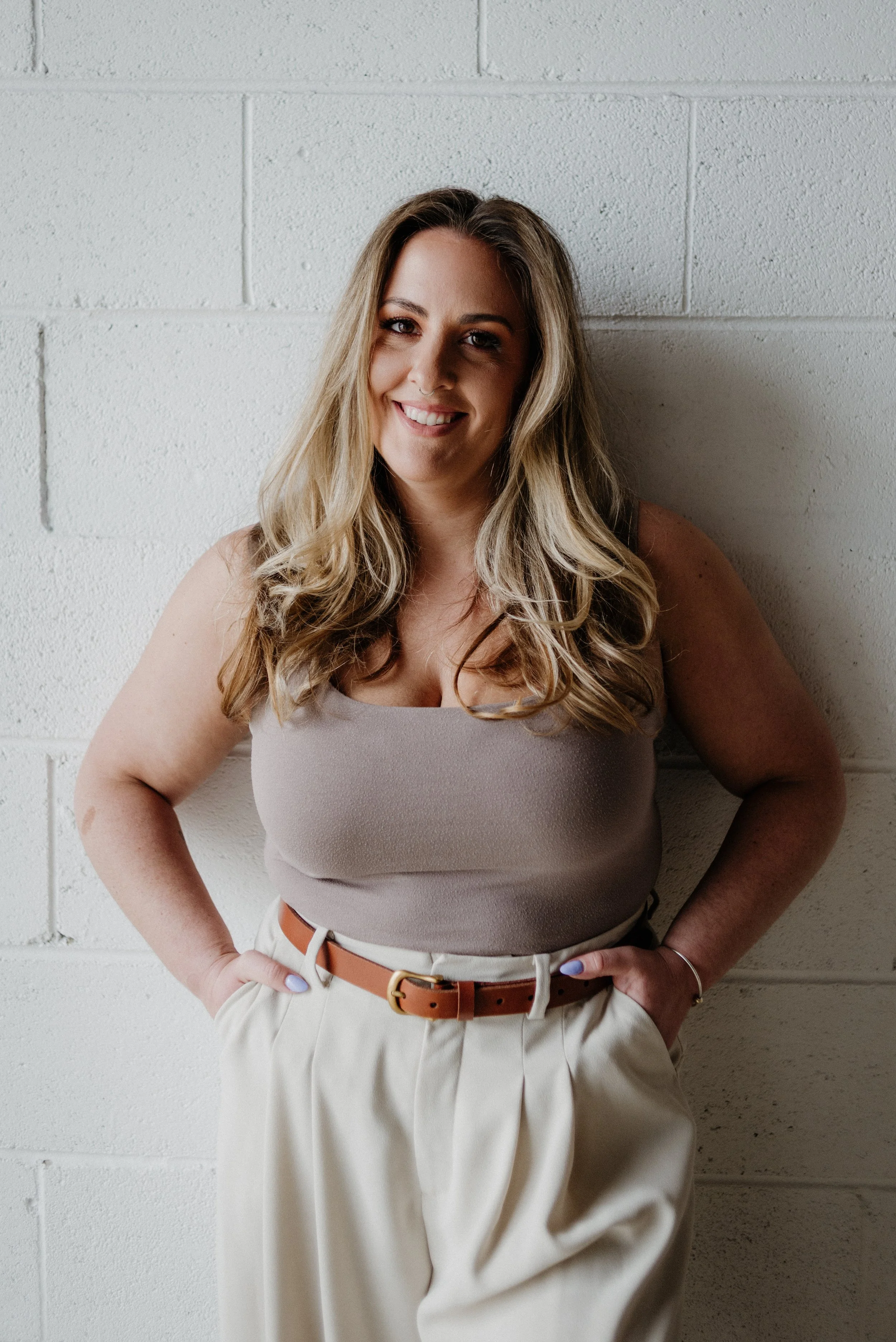
Margaux Flood, LCSW, is a licensed therapist with over a decade of experience supporting clients in Virginia, Florida and South Carolina. She specializes in couples therapy, women’s mental health, anxiety, and self-esteem, using evidence-based approaches like Trauma-Focused Cognitive Behavioral Therapy (TF-CBT), mindfulness-based techniques, and attachment-focused interventions to help clients strengthen connection, build confidence, and feel more grounded in themselves and their relationships. Margaux Flood, LCSW is committed to providing compassionate, expert virtual care for clients across Virginia, Florida and South Carolina. Her team also provides individual psychotherapy services across the states of Mississippi and Missouri.