
When Love Languages Fall Short: A Trauma Informed Perspective

Love languages are often presented as the solution to relationship struggles. We’re taught that if you just learn your partner’s love language (words of affirmation, acts of service, physical touch, quality time, gifts) connection will improve.
And sometimes it does.
But many women in Virginia come into therapy saying the same thing:
“We know each other’s love languages. So why do I still feel anxious, guarded, or disconnected around my partner?”
If that resonates, it doesn’t mean you’re incapable of intimacy, rather just missing a layer of support and knowledge.
Why Love Languages Don’t Always Work for Trauma Survivors
Love languages focus on how love is expressed. But they don’t address whether your nervous system feels safe enough to express and/or receive that love in the first place.
For adults carrying attachment trauma or unresolved stress, emotional safety matters more than the specific delivery method. Your partner can be speaking your love language perfectly, but if your nervous system is braced, hypervigilant, or shut down, it won’t actually land. So you can intellectually know they’re doing everything right but you don’t feel it.
Love languages operate at the communication level. Trauma lives in the nervous system level. When there’s attachment trauma present, the body often scans for inconsistency, withdrawal, rejection, or threat, even when there is none, and misses the signs that there is safety present.
How Trauma Impacts Receiving Love
Attachment wounds and trauma experiences shape how we interpret closeness.
You might notice:
Feeling skeptical when someone shows up consistently
Needing reassurance but feeling uncomfortable asking for it
Shutting down during conflict even when you want connection
Feeling overwhelmed by physical affection
Interpreting neutral behavior as distance
These responses are protective. If emotional closeness once felt unpredictable or unsafe, your system learned to brace. This is why “just communicate better” or “learn each other’s love language” sometimes isn’t enough. Love languages and trauma intersect in complicated ways.
What Helps More Than Love Languages
For many women in Virginia seeking therapy, the work goes deeper than communication tools.
What tends to matter more than perfectly matching love languages is:
Emotional safety in relationships
Consistency over intensity
Repair after conflict
Clear, steady boundaries
Nervous system regulation
Secure attachment building over time
When your body begins to trust that connection is stable and repair is possible, love becomes easier to receive. That’s where trauma-informed therapy and attachment-based relationship therapy come in.
How Trauma-Informed Therapy Supports Deeper Connection
In trauma-informed and attachment-based therapy, we don’t just look at what’s being said. We explore what your nervous system is doing underneath.
Therapy helps you:
Understand your attachment style without shame
Recognize trauma patterns influencing closeness
Build regulation tools for anxious or avoidant responses
Strengthen emotional safety in relationships
Learn how to receive love without bracing
For couples, this often means shifting from “You’re not loving me the right way” to “Here’s what my system really needs to feel safe.” That’s a different conversation, and it’s one that changes relationships at the root.
You’re Not Failing at Love
If love languages haven’t fixed the deeper anxiety or disconnection in your relationship, it doesn’t mean you’re too much, too sensitive, or broken.
It means there may be attachment trauma shaping how love is experienced.
Healing doesn’t come from trying harder, but from feeling safer.
If you’re a woman located in Virginia and noticing that trauma continues to shape how love is received in your relationship, support is available.
Virtual Psychotherapy in Virginia
If love languages feel helpful but incomplete, and emotional safety still feels hard to access, reach out to us today.
Trauma-informed and attachment-based relationship therapy can help you build connection that feels steady, secure, and real. You don’t have to navigate this alone.
We provide virtual psychotherapy services throughout the state of Virginia. We are also licensed in Missouri, Mississippi, Florida and South Carolina.
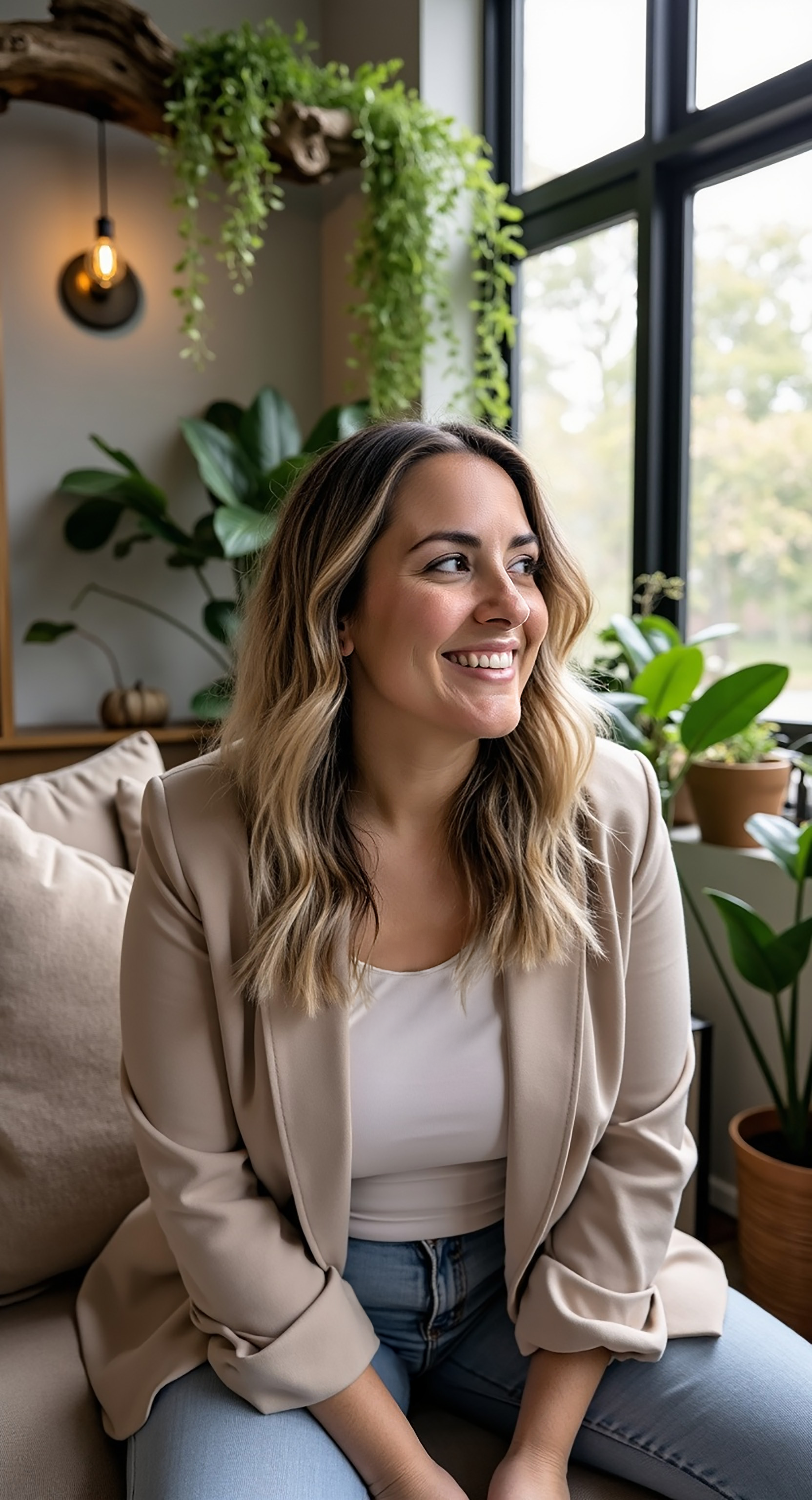
Margaux Flood, LCSW, is a licensed therapist with over a decade of experience supporting clients in Virginia and Florida. She specializes in couples therapy, women’s mental health, anxiety, and self-esteem, using evidence-based approaches like Trauma-Focused Cognitive Behavioral Therapy (TF-CBT), mindfulness-based techniques, and attachment-focused interventions to help clients strengthen connection, build confidence, and feel more grounded in themselves and their relationships. , Margaux Flood, LCSW is committed to providing compassionate, expert virtual care for clients across Virginia and Florida. Her team also provides individual psychotherapy services across the states of Mississippi and Missouri.