
Saying “No” Without Guilt: How to Stop Abandoning Yourself & Reclaim Your Autonomy

You are known as the ultimate reliable friend.
If someone needs a last minute favor, a late night venting session, or a project covered at work, they call you. You pride yourself on being accommodating and always knowing exactly what everyone around you needs.
On the outside, you look like a saint. But let’s be completely real about what it feels like on the inside to be the reliable one:
Internally, you are running on fumes. You say "yes" to taking on that extra work assignment or going to a social gathering before you’ve even take a beat to check your own energy levels. You spend your days micromanaging everyone else's comfort, terrified that if you disappoint someone or make waves, you’ll be judged, rejected, and made out to be a bad person.
While on the surface it looks like you’re just “being nice”, this is a classic pattern of people pleasing that eventually leads to deep, painful self abandonment.
When you consistently place the desires, schedules, and expectations of others above your own needs and wants, you quietly tell your brain that your needs don’t matter. Over time, this constant gymnastics act completely erodes your confidence.
If you are a woman who is completely burnt out from keeping the peace, let’s talk about how to stop the cycle, step off the treadmill, and discover how boundary setting counseling in VA can help you finally choose yourself.
What Self Abandonment Looks Like in Real Life
Because high-achieving women are so used to over-functioning, self abandonment can slowly creep into your daily routine in subtle, draining ways that reinforce low self-esteem, without you even noticing it. This can look like:
The Chameleon Effect: Quietly hiding your true thoughts, preferences, or opinions in a conversation just to avoid a disagreement or keep the atmosphere light.
Minimizing Your Pain: Telling yourself things like, "It’s not a big deal," or "I’m just being too sensitive," when someone explicitly hurts your feelings or disrespects your time.
The Resentment Burnout: Feeling a low-key, boiling resentment toward the people you love because you are doing so much for them, yet you feel entirely invisible and unsupported in return.
The Reality Check: Every time you say "yes" to someone else out of fear or guilt, you are saying a definitive "no" to your own mental well-being, rest, and peace of mind.
Why "Just Saying No" Doesn't Work for Your Nervous System
If you look up generic self-help tips online, they will tell you to "just practice setting boundaries" or give you rigid scripts to use. But if you have lived with high-functioning anxiety for years, setting a boundary doesn't feel simple… it feels like a threat to your survival.
When you have spent a lifetime using perfectionism and people pleasing to stay safe and loved, your nervous system registers boundary setting as fundamentally dangerous. The moment you even think about saying no, your heart accelerates, your chest tightens, and your brain screams that catastrophe is imminent.
To truly break the cycle of self-abandonment, you have to retrain your body to understand that you can survive the temporary discomfort of someone else being disappointed in you.
How Specialized Counseling Helps You Rebuild Boundaries and Self Trust
When you seek out specialized boundary setting counseling, we go way beyond surface level communication hacks. We build a customized roadmap to help you drop the weight of perfectionism safely:
Nervous System Regulation: We use somatic and mindfulness tools to calm your anxiety in real-time. We train your body to tolerate the "guilt" of a boundary without going into a full-blown panic response.
Micro-Boundaries: We don't start by having you quit your job or cut off a family member. We practice taking tiny, low-stakes steps (like waiting 20 minutes to reply to a non-urgent text) so you can build evidence that the world won't collapse when you honor your limits.
Reclaiming Your Identity: We reduce the noise of everyone else's expectations so you can rediscover who you actually are. You learn to check in with yourself first, creating a deep, unshakeable sense of self-trust.
Your Support Team is Ready for You
You were not put on this earth simply to be useful, agreeable, or convenient to everyone else at the expense of your own spirit. You are allowed to have limits and you are allowed to take up space in your own life.
Whether you are trying to hold boundaries against demanding corporate cultures in Northern Virginia, managing a chaotic schedule in Richmond, or looking for a trusted, local people pleasing therapist in Virginia Beach, you don't have to navigate this transition all by yourself.
I offer warm, validating virtual therapy support throughout Virginia, allowing you to prioritize your growth right from your own space. Let's stop the self-abandonment and start building a life where you feel entirely safe to rise. Contact us today to get started.
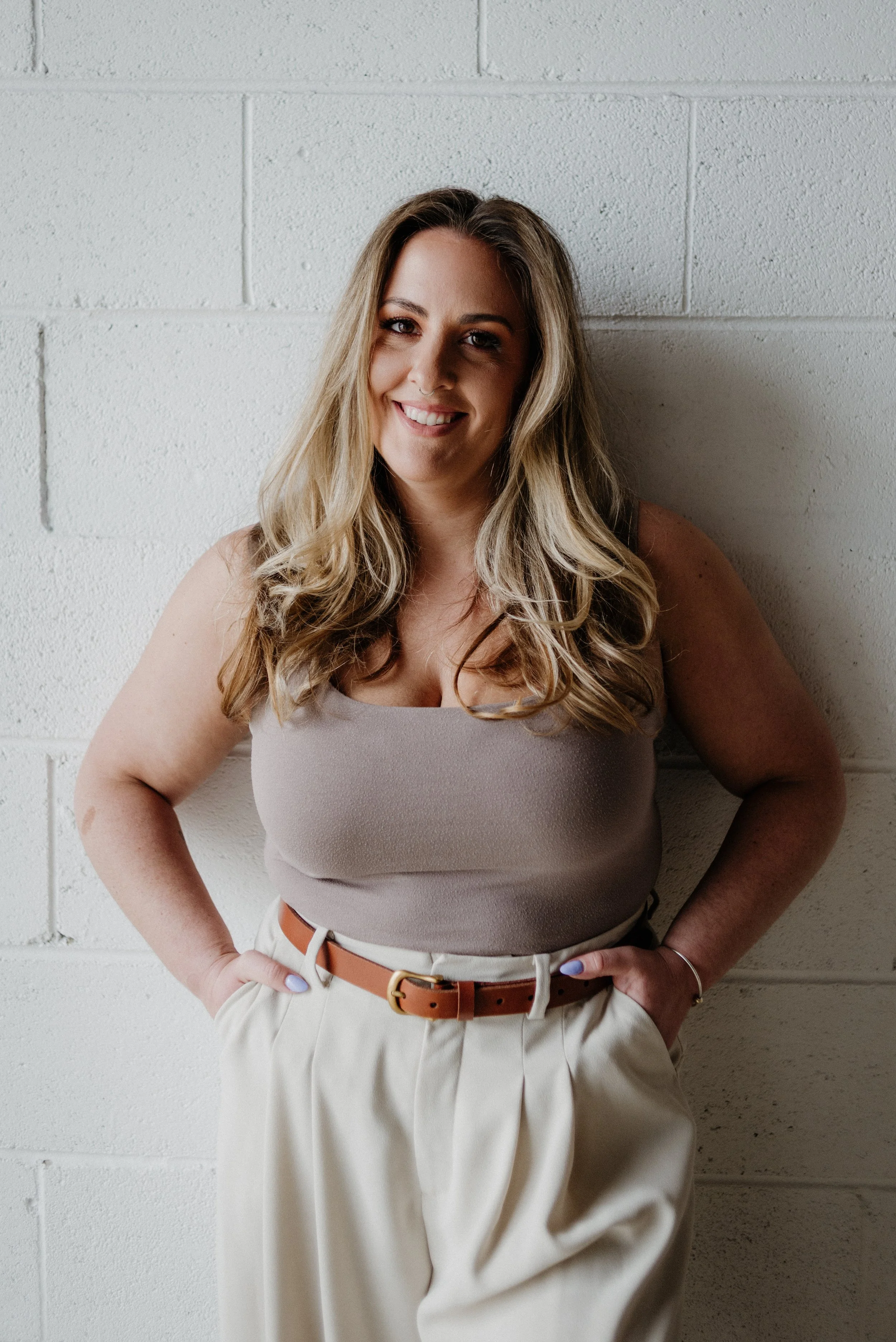
Margaux Flood, LCSW, is a Licensed Clinical Social Worker and psychotherapist with over a decade of experience supporting clients in Virginia, Florida and South Carolina. She specializes in couples therapy, women’s mental health, anxiety, and self-esteem, using evidence-based approaches like Trauma-Focused Cognitive Behavioral Therapy (TF-CBT), mindfulness-based techniques, and attachment-focused interventions to help clients strengthen connection, build confidence, and feel more grounded in themselves and their relationships. Margaux Flood, LCSW is committed to providing compassionate, expert virtual care for clients across Virginia, Florida and South Carolina. Her team also provides psychotherapy services across the states of Mississippi and Missouri.
Disclaimer: The information in this article is for educational purposes only and does not substitute for professional therapy or medical advice.