
What High Functioning Anxiety Really Looks Like

From the outside, your life probably looks pretty together.
You’re responsible, productive and reliable. You’re the person people count on: The one who remembers birthdays, answers emails quickly, gets things done on time, and somehow manages to keep moving even when you’re exhausted.
A lot of people in your life may genuinely see you as someone who has it all handled.
But internally, it feels very different.
Your mind rarely slows down. You replay conversations after they happen. Rest feels harder than it should. You’re constantly thinking about what you forgot, what’s next, or how something could go wrong. Even when life is objectively “fine,” your body still feels tense, alert, or emotionally overwhelmed.
This is often what high-functioning anxiety looks like.
And because it hides behind competence and productivity, it often goes unnoticed for a very long time.
Many high-achieving women in the Virginia Beach area don’t realize how much anxiety they’re carrying because they’ve become so used to functioning this way. The stress becomes normal. The overthinking becomes their personality. The constant pressure starts feeling like part of who you are.
But living in a constant state of internal pressure is exhausting, even when you’re managing to hold everything together externally.
How High Functioning Anxiety Feels
One of the reasons high functioning anxiety can be difficult to recognize is because it rarely looks like the stereotypical image people associate with anxiety.
You may not be having panic attacks every day. You may still be succeeding professionally. You may still be showing up in your relationships and managing responsibilities. In fact, a lot of women with high functioning anxiety are praised for the very behaviors that are quietly exhausting them.
People compliment how driven and organized you are. They praise how much you care. What they usually don’t see is the frayed nervous system underneath all of it.
They don’t see how hard it is to fully relax during a vacation because your brain keeps scanning for what you should be doing instead. They don’t see you rereading an email five times before sending it because you’re afraid of sounding wrong or careless. They don’t see how emotionally draining it is to constantly feel responsible for keeping everything from falling apart.
A lot of women with high functioning anxiety also struggle with a constant sense of never fully arriving. No matter how much gets done, there’s often a lingering feeling that it’s still not enough.
Why So Many High Achieving Women Experience This
High functioning anxiety is often deeply connected to chronic stress, perfectionism, and survival strategies that developed over time.
For some women, achievement became tied to emotional safety early in life. Maybe being successful earned praise or approval. Maybe being “easy,” high-performing, or responsible reduced conflict in your environment. Maybe you learned that staying productive helped you feel more in control.
None of this happens consciously, but rather your nervous system adapts over time.
It learns:
Stay ahead.
Stay prepared.
Don’t make mistakes.
Don’t let people down.
Those patterns can absolutely help someone become successful. But they can also create a life where your body never fully relaxes.
This is especially common in high-pressure environments where over-functioning is normalized and rewarded. So many women in Virginia Beach are balancing careers, caregiving, relationships, social obligations, and internal pressure all at the same time. When your environment reinforces constant productivity, it can become hard to recognize when stress has shifted into chronic nervous system activation.
At some point, anxiety stops feeling like anxiety and just starts feeling like “how you are.”
How High Functioning Anxiety Shows Up Day to Day
Sometimes high functioning anxiety looks obvious. More often, it shows up in subtle ways that slowly wear people down over time.
It can look like lying in bed mentally running through tomorrow’s to-do list instead of sleeping. It can look like checking your phone constantly during downtime because stillness feels uncomfortable. It can look like feeling irrationally guilty for taking a day off or struggling to enjoy rest without mentally calculating all the things you “should” be doing instead.
A lot of women also notice that they’re carrying tension constantly without realizing it. Tight shoulders. Jaw clenching. Shallow breathing. Difficulty slowing their thoughts down.
Even enjoyable things can start feeling mentally exhausting because the nervous system rarely gets a chance to fully settle.
And because high-functioning anxiety is often hidden behind competence, many women minimize their own distress. They tell themselves:
“Other people have it worse.”
“I’m still functioning.”
“I should be able to handle this.”
But functioning and feeling okay are not the same thing. You can look successful and still be deeply overwhelmed internally.
The Connection Between Anxiety and Self Worth
One of the hardest parts about high functioning anxiety is how intertwined it can become with identity.
When your worth becomes tied to achievement, productivity, or being dependable, slowing down can feel emotionally threatening.
You may know logically that you deserve rest and balance, but emotionally, your nervous system still associates doing more with being enough.
That’s why anxiety often spikes during quiet moments.
Without constant movement or productivity, unresolved fears and pressure become easier to feel. And for many women, that can feel deeply uncomfortable.
This is also why burnout recovery is rarely just about taking a vacation or managing your schedule better. If the underlying nervous system patterns stay the same, the internal pressure usually returns quickly.
The issue often runs deeper than time management.
How Therapy Helps
Therapy for high functioning anxiety is not about making you less ambitious or motivated, but rather helping your nervous system stop treating everyday life like an emergency.
In therapy, many women begin to realize they’ve spent years operating from survival mode without fully recognizing it. They’ve learned how to push through stress so effectively that they no longer notice how much pressure they’re carrying.
Therapy helps create awareness around those patterns while also building new experiences of safety, regulation, and self-worth.
For some women, that means learning how to set boundaries without guilt. For others, it means understanding how perfectionism developed in the first place. Sometimes it’s learning how to rest without immediately feeling anxious or unproductive.
A huge part of the work is nervous system regulation. Not in a trendy social media way, but in a practical, grounded way that helps your body stop feeling chronically “on” all the time.
Many women in Virginia Beach and surrounding areas come into therapy thinking they just need to “manage stress better.” What they often discover is that they’ve been carrying chronic anxiety for years without realizing how deeply it was affecting them emotionally and physically.
And honestly, there’s usually a lot of relief in finally understanding that.
You Don’t Need to Wait Until You Completely Burn Out
A lot of women wait until they are emotionally exhausted before they reach out for support.
They wait until the anxiety becomes impossible to ignore. Until the sleep problems get worse. Until the emotional overwhelm starts affecting relationships, work, or physical health.
But you do not have to wait until things completely fall apart to deserve support.
If anxiety feels constant, exhausting, or quietly consuming behind the scenes, that matters.
Even if your life looks successful from the outside.
Explore Therapy Support
If high functioning anxiety has become your normal, therapy can help you better understand your nervous system, reduce chronic stress, and build a healthier relationship with yourself.
If you’re located in Virginia and are looking for therapy for anxiety, perfectionism, or burnout recovery, contact us to explore what support could look like for you. We are also licensed to provide support to clients living in Florida, South Carolina, Mississippi and Missouri.
You deserve a life that feels sustainable internally, not just successful externally.
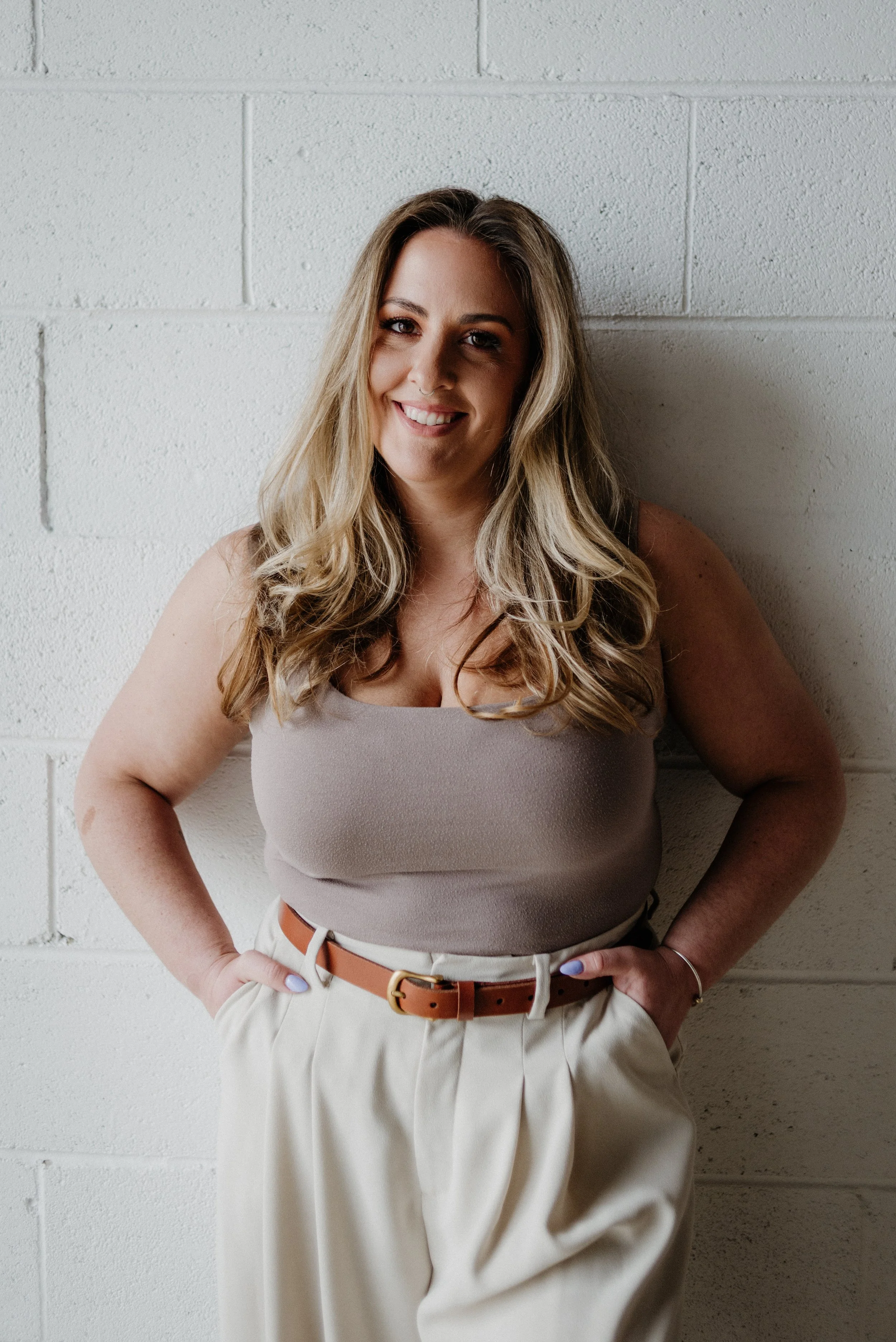
Margaux Flood, LCSW, is a licensed therapist with over a decade of experience supporting clients in Virginia, Florida and South Carolina. She specializes in couples therapy, women’s mental health, anxiety, and self-esteem, using evidence-based approaches like Trauma-Focused Cognitive Behavioral Therapy (TF-CBT), mindfulness-based techniques, and attachment-focused interventions to help clients strengthen connection, build confidence, and feel more grounded in themselves and their relationships. Margaux Flood, LCSW is committed to providing compassionate, expert virtual care for clients across Virginia, Florida and South Carolina. Her team also provides individual psychotherapy services across the states of Mississippi and Missouri.