
How Attachment Styles Affect Adult Relationships
If you’ve ever found yourself thinking, “Why do I keep ending up in the same relationship dynamic no matter who I’m with?”, you’re not alone.
Many high-achieving women in their deeply want connection, emotional safety, and healthy partnership. And yet, they notice similar patterns playing out again and again. Maybe you overthink texts or shut down when things feel tense. Maybe you oscillate between wanting closeness and needing space. What you’re experiencing first-hand in these moments is the way that our attachment styles shape how we relate… often outside of conscious awareness.
Understanding your attachment style can bring clarity, self-compassion, and real change in adult relationships.
What Attachment Styles Are
Attachment styles are patterns of relating that develop early in life based on our experiences of safety, responsiveness, and connection with our caregivers.
As children, we adapt to the emotional environment around us. If caregivers were consistent and emotionally available, we often develop secure attachment, meaning that we generally see the world and people as safe. If care was unpredictable, distant, or overwhelming, we develop strategies to cope in a seemingly unsafe world.
Those strategies when repeated over and over become our attachment patterns.
They are not personality flaws. They are adaptive responses that once helped us feel safe. The challenge is that what protected you at five years old may not serve you in adult relationships.
Common Attachment Styles in Adult Relationships
There are four primary attachment styles. Most people fall somewhere along a spectrum.
Secure Attachment
People with secure attachment generally feel comfortable with intimacy and independence. They can communicate needs clearly and tolerate conflict without assuming the relationship is in danger.
Secure attachment is not perfection, but rather relational flexibility and emotional safety.
Anxious Attachment
Anxious attachment often shows up as fear of abandonment, overthinking, needing reassurance, or feeling easily unsettled by distance. High-achieving women with anxious attachment may appear confident professionally while feeling deeply insecure relationally.
This pattern developed as a way to maintain closeness in environments where connection felt inconsistent.
Avoidant Attachment
Avoidant attachment often involves discomfort with emotional dependence, a strong need for independence, and shutting down when conflict arises. You may pride yourself on being self-sufficient, yet struggle with emotional vulnerability.
This pattern often forms when closeness felt overwhelming or unavailable.
Disorganized Attachment
Disorganized attachment can feel confusing… it’s a push-pull between craving closeness and fearing it. It often develops in environments where safety and fear were intertwined.
Again, these are adaptations, not diagnoses.

How Attachment Styles Affect Communication and Conflict
Attachment styles influence how we respond to intimacy, reassurance, conflict, and distance.
In adult relationships, this might look like:
Overanalyzing tone shifts or response time
Withdrawing during conflict to regain control
Feeling flooded during arguments
Interpreting neutral behavior as rejection
Struggling to ask directly for needs
When two attachment patterns interact between you and someone else, misunderstandings escalate quickly. An anxious partner may pursue connection when feeling disconnected, while an avoidant partner may withdraw to regulate. Neither person is “wrong”, as both their nervous systems are trying to protect them. This is where relationship trust can erode without anyone intending harm.
Understanding attachment brings language to what previously felt confusing or personal.
Why Attachment Patterns Can Be Hard to Change Alone
High-achieving women often try to “logic” their way out of attachment triggers. You might understand the pattern intellectually, but still feel activated in real time.
That’s because attachment isn’t just cognitive, it’s nervous system based.
Attachment-based therapy and trauma-informed therapy can help you:
Identify your attachment style without shame
Understand how it developed
Regulate your nervous system during triggers
Build secure attachment patterns over time
Improve emotional safety and communication
Many women in Virginia are balancing demanding careers, family expectations, and high internal standards. Therapy offers a grounded space to slow down and build self-trust in relationships… not just insight, but integration.
Secure attachment can be developed. It’s not fixed at childhood, and is flexible throughout adulthood.
Building Secure Attachment Is Possible
Secure attachment doesn’t mean never feeling anxious or avoidant again. It means noticing the pattern, regulating your nervous system, and responding intentionally instead of reactively. It means building emotional safety in relationships where both people feel seen, respected, and allowed to be human.
If attachment patterns are impacting your confidence, communication, or connection, support can make this work feel less overwhelming.
Therapy for Women in Virginia
If you’re noticing recurring patterns in adult relationships and want to build more secure attachment, psychotherapy can help.
You deserve relationships that feel steady, emotionally safe, and aligned with who you are becoming.
If you're in Virginia and looking for attachment-based or trauma-informed therapy, reach out to us today to explore how working together may help you achieve your goals.
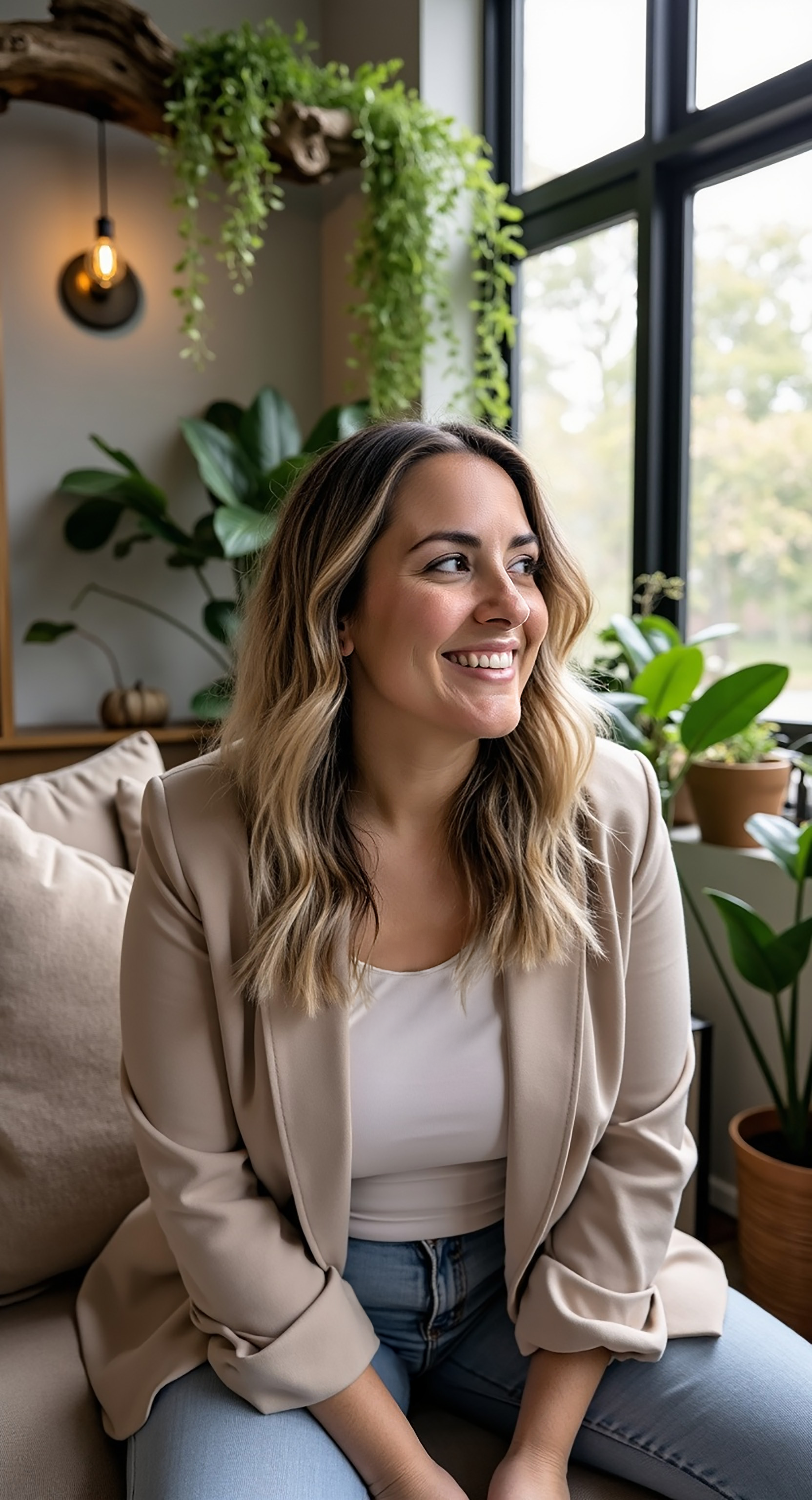
Margaux Flood, LCSW, is a licensed therapist with over a decade of experience supporting clients in Virginia and Florida. She specializes in couples therapy, women’s mental health, anxiety, and self-esteem, using evidence-based approaches like Trauma-Focused Cognitive Behavioral Therapy (TF-CBT), mindfulness-based techniques, and attachment-focused interventions to help clients strengthen connection, build confidence, and feel more grounded in themselves and their relationships. , Margaux Flood, LCSW is committed to providing compassionate, expert virtual care for clients across Virginia and Florida. Her team also provides individual psychotherapy services across the states of Mississippi and Missouri.